Jan Masaryk

politician

Jan Masaryk
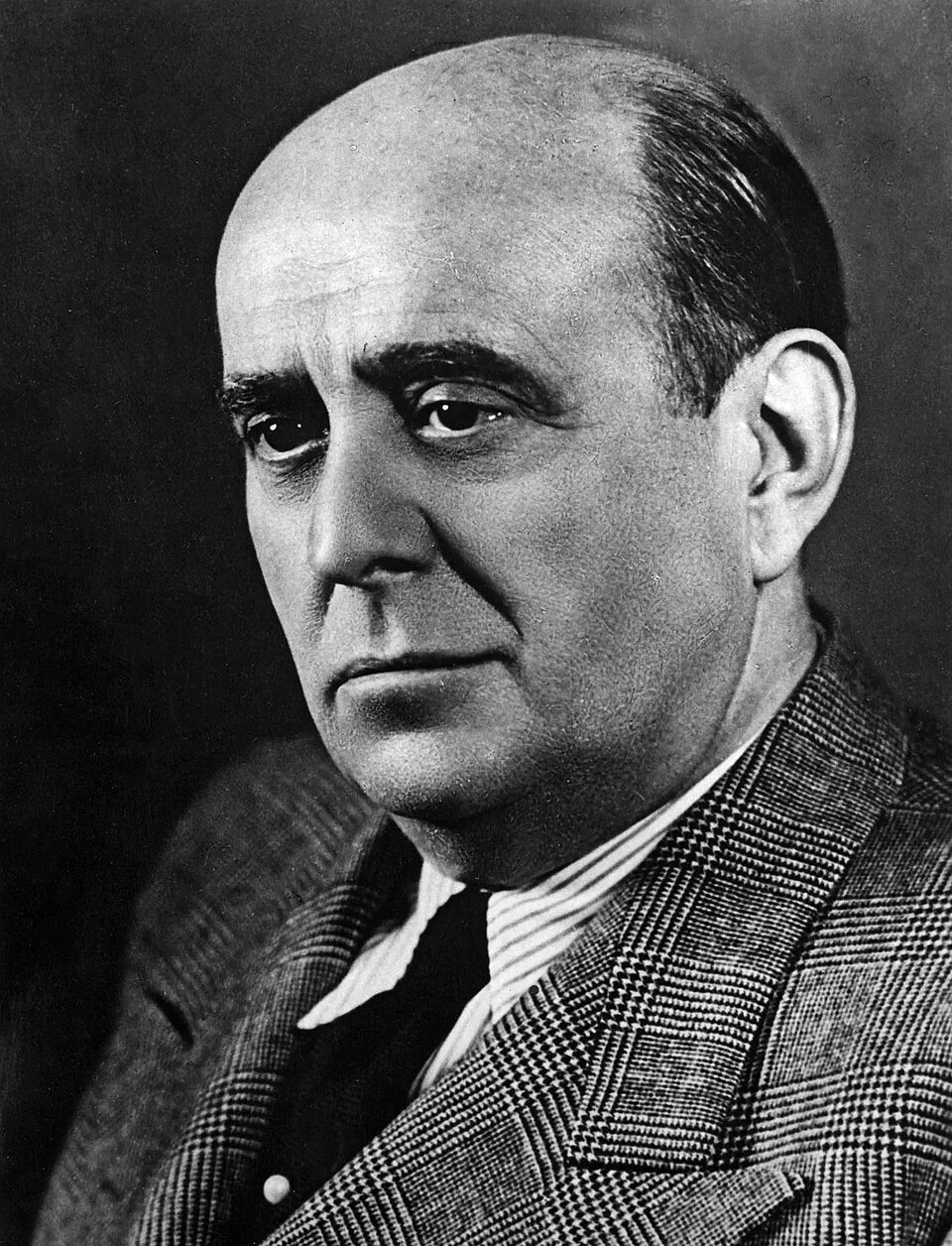
Jan Masaryk · Portrait; not a photograph of this planting.

About the plant

Plant
Quercus robur 'Salfast'
Botanical name
Quercus robur ‘Salfast’
Planting year
2019
Planters or representatives
Charlotta Kotíková
Mature size
12.2–21.3 m
Flowering
Spring
Lifespan and documented age
The species can exceed 1,000 years; this is not the usual age of every tree.
Reading these figures
Taxon characteristics; actual size and flowering in the garden depend on conditions.

Quercus robur is deciduous and belongs to the Fagaceae family. The NC State species profile lists a height of approximately 12.2–21.3 m.

The listed flowering season is spring. Recorded flower colours include gold/yellow, green. Local climate and the weather in a particular year affect the timing and intensity of flowering.

Suitable light conditions listed in the profile are full sun. Appropriate soil and moisture also matter; individual plants do not all reach the same size. Lifespan: The species can exceed 1,000 years; this is not the usual age of every tree. Growth and appearance of the ‘Salfast’ cultivar may differ from the species; species dimensions above are not a precise cultivar measurement.

Plant details and related plantings →

About the person

Name
Jan Masaryk
Personality type
politician
Date of birth
Place of birth
Královské Vinohrady
Date of death
Place of death
Praha-Hradčany
Notable achievements and career
  • He travelled with Edvard Beneš (the President of Czechoslovakia) to Moscow to meet Joseph Stalin, where it was agreed that Czechoslovakia would retain its autonomy whilst having a Soviet-aligned foreign policy.

People and participants
Jan Masaryk · Charlotta Kotíková

Jan Garrigue Masaryk (14 September 1886 – 10 March 1948) was a Czech diplomat and politician who served as the Foreign Minister of Czechoslovakia from 1940 to 1948. American journalist John Gunther described Masaryk as “a brave, honest, turbulent, and impulsive man”. Born in Prague in 1886 as the son of the future leader of Czechoslovakia Tomáš Garrigue Masaryk, Masaryk fought for Austro-Hungary in World War I. He then entered positions with the government of the new nation of Czechoslovakia, serving as minister-plenipotentiary to the United Kingdom for thirteen years from 1925.

There, he dealt with criticism of Czechoslovakia’s very existence from press baron Lord Rothermere in 1927, before then encountering the rising threat of Nazism to his nation. He was relieved at the abdication of Edward VIII (whom he saw as too sympathetic to Nazi rule) but resigned after the Munich Agreement and appeasement policies adopted by Neville Chamberlain’s government, which he detested partly due to the limited involvement the Czechoslovak government had in the proceedings. In World War II, Masaryk broadcast to the Protectorate of Bohemia-Moravia throughout the conflict via BBC radio. He also served as Foreign Minister in the Czechoslovak government-in-exile. He travelled with Edvard Beneš (the President of Czechoslovakia) to Moscow to meet Joseph Stalin, where it was agreed that Czechoslovakia would retain its autonomy whilst having a Soviet-aligned foreign policy.

Sources

Biographical facts · en.wikipedia.org

Botanical references

The biography includes an adapted Wikipedia excerpt; paragraph layout and length were changed. Article and contributor history · CC BY-SA 4.0.

Photo source: Wikimedia Commons / Wikipedia · Jan Masaryk · Author: Anonymous Unknown author · Public domain