Tomáš Garrigue Masaryk

politician

Tomáš Garrigue Masaryk
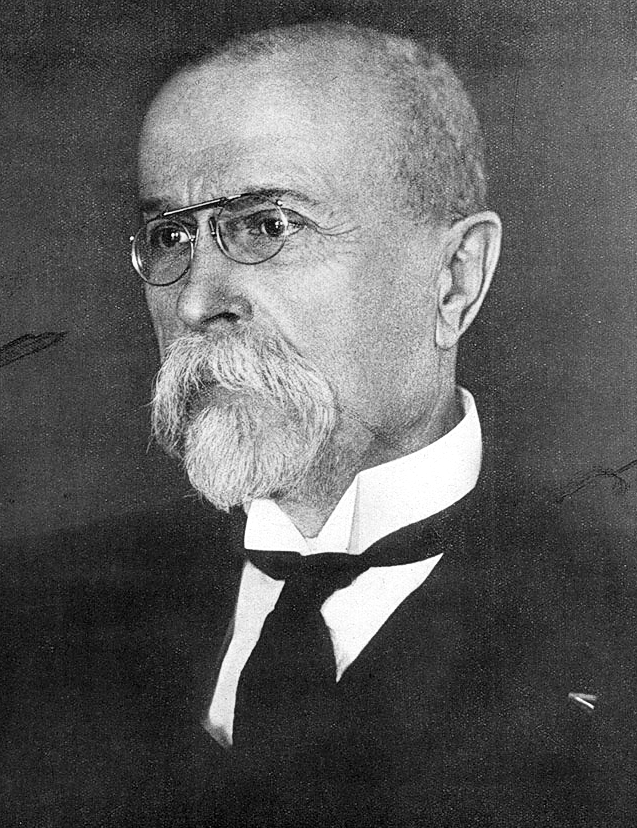
Tomáš Garrigue Masaryk · Portrait; not a photograph of this planting.

About the plant

Plant
Quercus robur 'Salfast'
Botanical name
Quercus robur ‘Salfast’
Planting year
2019
Planters or representatives
Charlotta Kotíková
Mature size
12.2–21.3 m
Flowering
Spring
Lifespan and documented age
The species can exceed 1,000 years; this is not the usual age of every tree.
Reading these figures
Taxon characteristics; actual size and flowering in the garden depend on conditions.

Quercus robur is deciduous and belongs to the Fagaceae family. The NC State species profile lists a height of approximately 12.2–21.3 m.

The listed flowering season is spring. Recorded flower colours include gold/yellow, green. Local climate and the weather in a particular year affect the timing and intensity of flowering.

Suitable light conditions listed in the profile are full sun. Appropriate soil and moisture also matter; individual plants do not all reach the same size. Lifespan: The species can exceed 1,000 years; this is not the usual age of every tree. Growth and appearance of the ‘Salfast’ cultivar may differ from the species; species dimensions above are not a precise cultivar measurement.

Plant details and related plantings →

About the person

Name
Tomáš Garrigue Masaryk
Personality type
politician
Notable achievements and career
  • Tomáš Garrigue Masaryk (7 March 1850 – 14 September 1937) was a Czechoslovak statesman, political activist and philosopher who served as the first president of Czechoslovakia from 1918 to 1935.
  • He is regarded as the founding father of Czechoslovakia.
  • In 1918, Masaryk, along with his protégés Edvard Beneš and Milan Rastislav Štefánik, travelled to the United States to obtain support from President Woodrow Wilson and Secretary of State Robert Lansing.

Tomáš Garrigue Masaryk (7 March 1850 – 14 September 1937) was a Czechoslovak statesman, political activist and philosopher who served as the first president of Czechoslovakia from 1918 to 1935. He is regarded as the founding father of Czechoslovakia. Born in Hodonín, Moravia (then part of the Austrian Empire), Masaryk obtained a doctorate at the University of Vienna and was a professor of philosophy at the Czech Charles-Ferdinand University in Prague. He began his political career as a deputy of the Austrian Reichsrat, serving from 1891 to 1893 and from 1907 to 1914.

He was an advocate of restructuring the Austro-Hungarian Empire into a federal state, but by the outbreak of the First World War, he had become a supporter of Czech and Slovak independence. He went into exile, and travelled around Europe to organise and promote the Czechoslovak cause. He played a pivotal role in the establishment of the Czechoslovak Legion, which fought against the Central Powers during the war. In 1918, Masaryk, along with his protégés Edvard Beneš and Milan Rastislav Štefánik, travelled to the United States to obtain support from President Woodrow Wilson and Secretary of State Robert Lansing. Their negotiations resulted in the Washington Declaration, which proclaimed the independence of a Czechoslovak state.

Sources

Biographical facts · en.wikipedia.org

Botanical references

The biography includes an adapted Wikipedia excerpt; paragraph layout and length were changed. Article and contributor history · CC BY-SA 4.0.

Photo source: Wikimedia Commons / Wikipedia · Tomáš Garrigue Masaryk · Author: Unknown author Unknown author · Public domain